
Following the line
AWE Artistic Director Benjamin Baker on AWE 2026’s theme.
A good idea can take time. It can grow slowly, out of years of conversation, programming, and the gradual realisation that a cluster of ideas has been circling each other for some time, waiting for the moment to connect. AWE 2026's theme: Lines as boundaries and bridges came to life in this way.
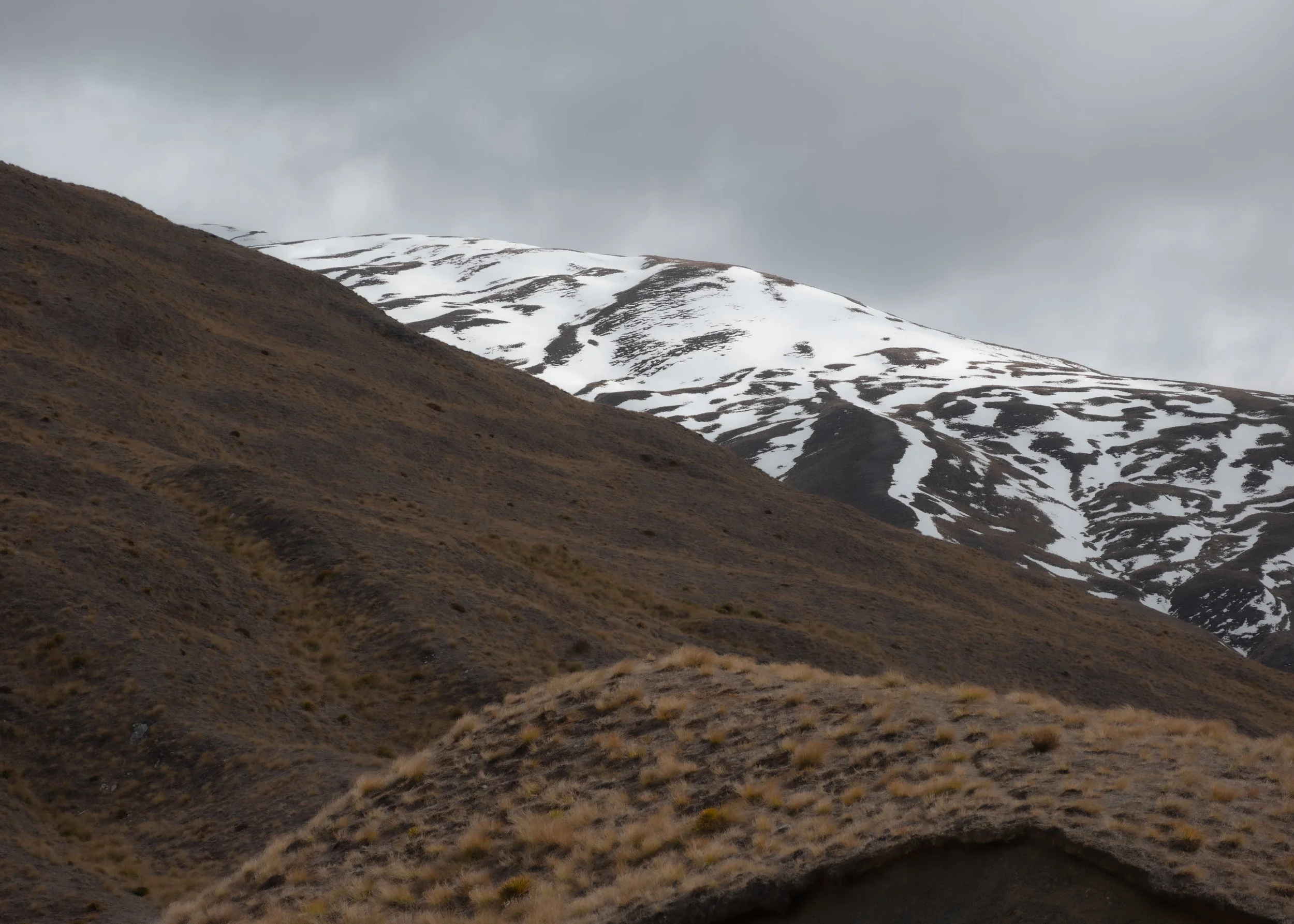
Once you start looking for lines, they are everywhere. The horizon where Lake Wānaka meets the mountains. The migration path of a bird. The fault line running beneath the earth. The melodic thread that carries you through a piece of music, or the sentence that finally says what you've been reaching for. And then the lines we draw around ourselves, moral, cultural, personal; the ones that define who we are, and what we stand for.
Paul Klee once observed that a line is simply a dot that went for a walk. It's a beautifully simple idea, one that echoes throughout the 2026 AWE Festival. Across seven programmes and four locations in the landscapes of Central Otago, AWE follows the line in all its forms: as boundary and bridge, as musical voice, a moral compass and as the fragile thread connecting past and present, the intimate and the infinite.
We open at Rippon Hall, overlooking Lake Wānaka and the mountains beyond, a landscape that is itself a study in lines. Crossed brings together music forged in moments of conflict and upheaval. Grażyna Bacewicz's quartet, written in Poland in 1949 under the shadow of state control, rejects hierarchy in favour of four equal voices in constant, searching dialogue. And Beethoven's String Quartet in C Major, Razumovsky, No.3, written in the wake of Napoleon's betrayal of his own revolution, finds its way from turbulence to something luminous. The question both works ask, against that vast open landscape, feels urgent: what does it cost to cross a line? And what becomes possible when we do?
Between continues the opening weekend with an exploration of what lies beneath the surface: the hidden structures and unspoken connections that only reveal themselves through shared experience. At its heart is the world premiere of Michael Norris's AWE 2026 commission, developed alongside a new work by sculptor Ed Cruikshank. Together, sound and sculpture carry a hidden braille message: some lines, it turns out, are not only heard but felt.
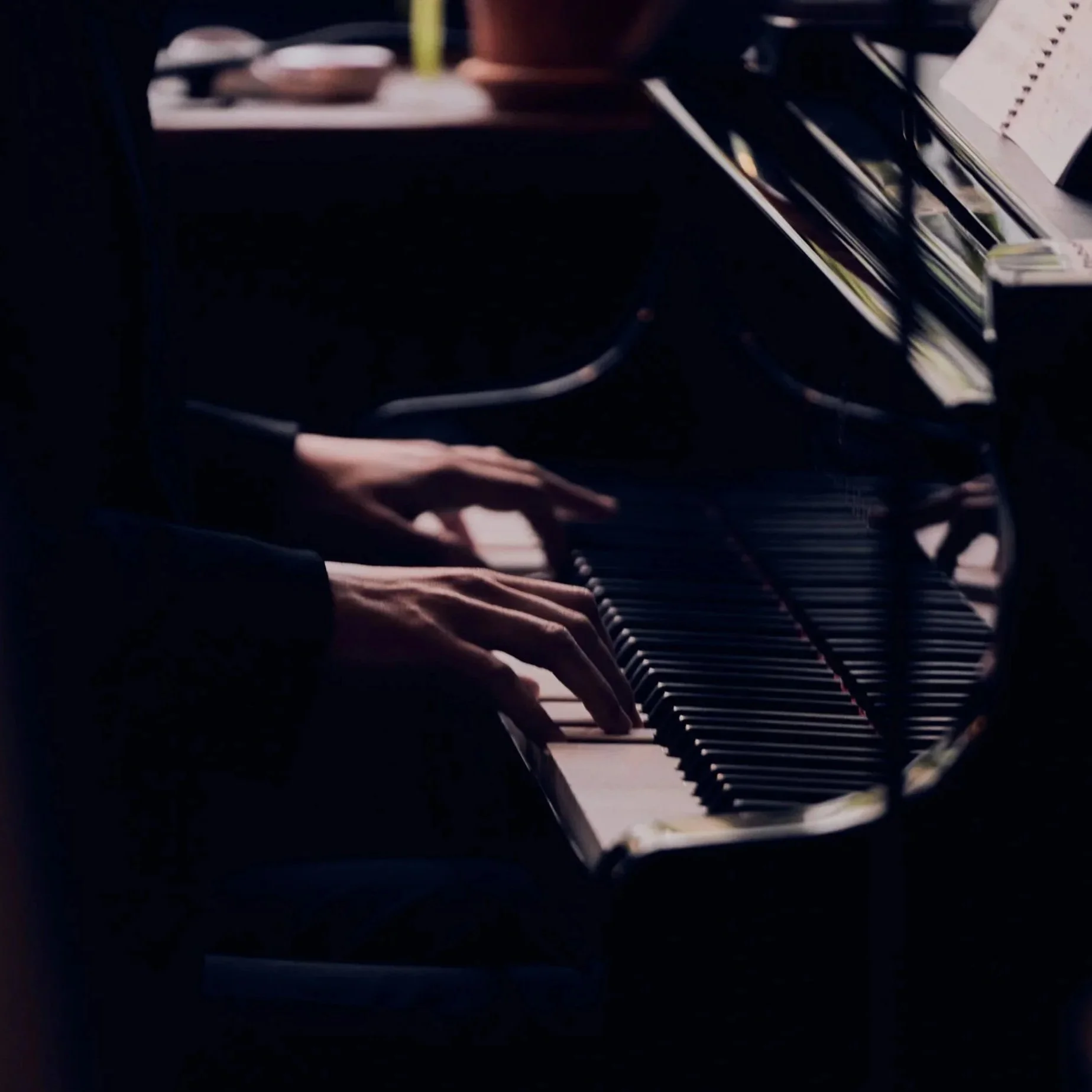
From Wānaka the festival moves to Queenstown's Te Atamira, at the foot of the Remarkables, for Strung, a programme that places the piano at its centre for the first time this year. Featuring AWE Festival Artists David Fung and Matthew Lipman alongside returning AWE Pettman Scholars Matthew Seinafo and Christine Jeon, Strung traces connections across generations, from Maurice Ravel's fairy-tale clarity and Rebecca Clarke's fractured independence, through Jessie Montgomery and Michael Norris, to Claude Debussy's evocative sense of place and Adolfo Berio’s Viennese waltz transformed and echoed across two centuries.
Woven takes us to Cromwell's Cloudy Bay Shed, with the Pisa Range glowing in the distance as the sun goes down. Across daylight, twilight, and evening performances, the programme traces how musical lines coexist and collide, separate and reunite in a conversation that spans cultures and centuries, from one of the oldest surviving notated melodies to music rooted in the landscapes of Aotearoa. As the Central Otago light shifts and fades, the music mirrors the passage of the day with lines of sound slowly transforming, drifting apart and, finally, finding their way back to each other.
Radiance returns us to Queenstown, and to music drawn along the threshold between what is close and what is unimaginably distant. Michael Norris's Deep Field II, inspired by the Hubble Space Telescope's glimpse into deep space, opens a perspective measured not in human scale but in cosmic time: light that left its source twelve billion years ago, still travelling, still reaching us. Between Schubert's nocturnal reflection and Pärt's austere tintinnabuli stillness, Penderecki's fragmentary recollections and an offstage Bach chorale mark the passage between memory and transcendence. Caroline Shaw's Entr'acte closes with something at once familiar and transformed. Together they ask what music can hold that nothing else quite can.
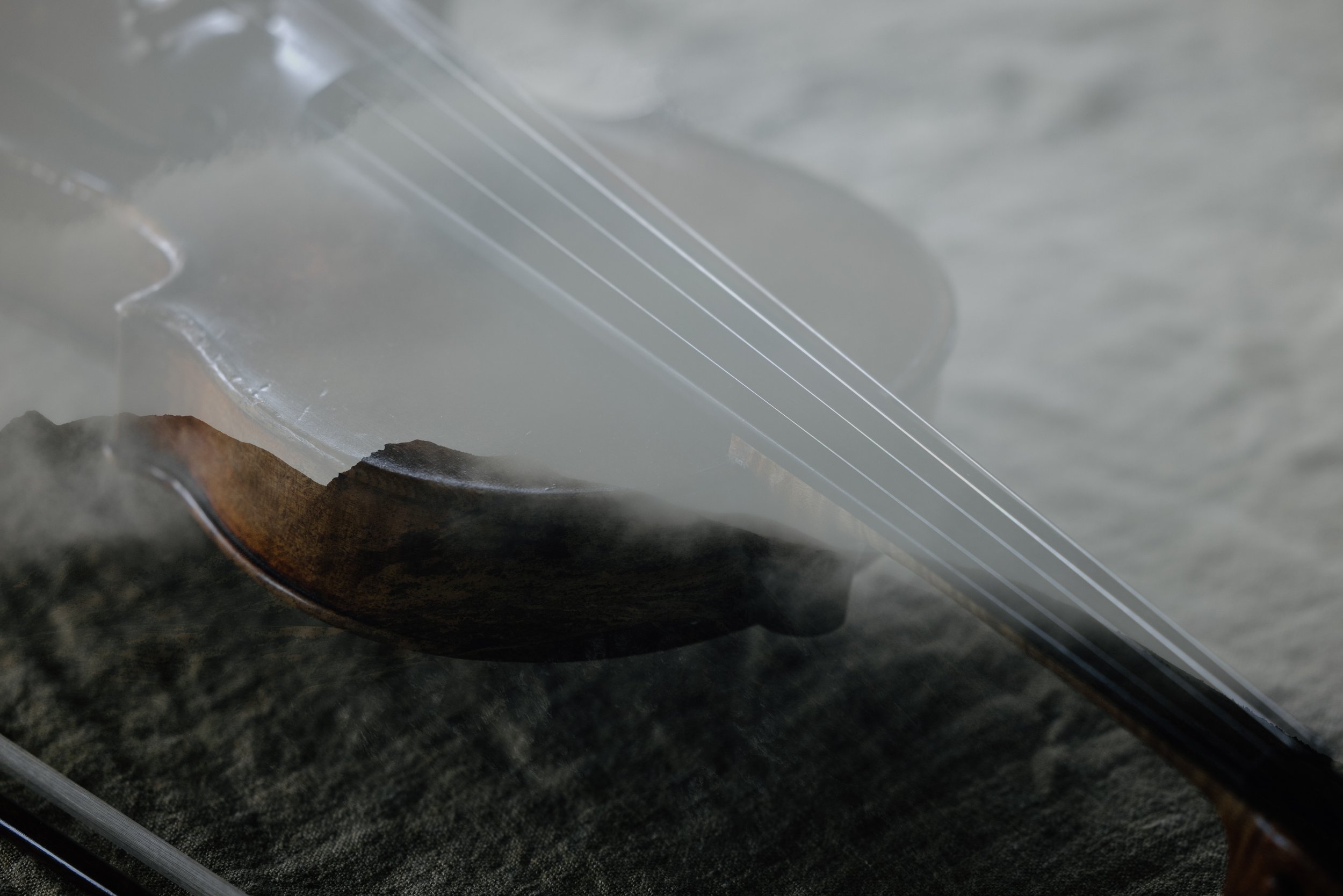
Bannockburn's historic Coronation Hall provides the ideal intimate backdrop for Unbroken, perhaps the festival's most emotionally direct programme. Through six powerful works, we consider music as what survives: a New Zealand soldier carrying his violin through Gallipoli and the Somme; a twelfth-century chant re-emerging nine centuries later; a string trio composed at the edge of annihilation in Terezín. In the quiet of Bannockburn, these aren't abstract or historical ideas or lines on a page. They feel present and utterly vital.
The Line closes the festival in Queenstown, returning to music in its most elemental form. From Debussy's solitary, fragile thread, to Korngold's musical line forcibly rewritten by exile, this is a programme about where music begins, and what it leaves behind.
It is here, in the closing moments of the festival, surrounded by mountains and water and that unmistakably Central Otago light, that everything seems to converge. Lines of sound meet lines of landscape. The boundary between listener and performer, between past and present, begins, just a little, to blur.
Which lines protect us? Which lines confine us? And which lines are waiting to be redrawn? Follow them with us this October.